Skip to main content
The number of workers facing 60% tax trap doubles

The number of workers caught in the 60% income tax trap has more than doubled over the past five years, rising from 376,000 in 2020-21 to an estimated 763,000 in 2025-26.
Figures obtained from HMRC through a freedom of information (FOI) request show that an additional 78,000 taxpayers have been pulled into the bracket since 2024-25, largely as a result of frozen tax thresholds.
The tax trap affects those earning between £100,000 and £125,140, who face an effective income tax rate of 60%, among the highest in the UK.
This is due to the gradual withdrawal of the £12,570 tax-free personal allowance, which is reduced by £1 for every £2 earned above £100,000.
Consequently, taxpayers lose £60 in income tax for every additional £100 earned within this range. Once earnings reach £125,140, the personal allowance disappears entirely and income above this level becomes subject to the 45% additional rate of tax.
There have been growing calls for the Government to scrap the 60% tax trap over concerns that it discourages higher earners from taking on promotions or working additional hours. With the estimated number of workers being pulled into the trap increasing in forecasts, the pressure on the Government to address the issue is continuing to rise.
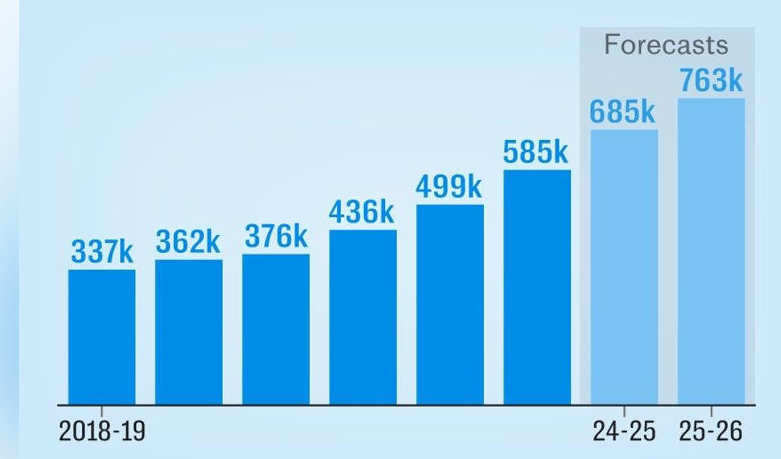
Number of UK workers hit by the 60% tax trap doubles in five years, October 2026 (Source: The Telegraph)
What is the ‘60% tax trap’?
The ‘60% tax trap’ refers to the income band of £100,000 to £125,000 between which earners in England and Wales will effectively experience a 60% tax rate on their marginal income. This is because for every £2 you earn over £100,000 each year, you lose £1 worth of your £12,570 tax-free personal allowance. Your tax rate only returns to the normal amount of 40% after the entirety of your personal allowance for that year has been deducted, which is at just over £125,000.
For example, a £100,000 earner who receives a bonus of £1000 will only receive £400 of his bonus. This works out as follows:
He immediately loses £400 to the standard 40% tax, leaving him £600.
As he loses £1 for every £2 earned over £100,000, his £1000 bonus translates to £500 deducted from his original tax-free personal allowance. This deduction of £500 is then retrospectively taxed at his current standard rate of 40%, meaning he pays another £200.
After paying the original tax of £400 and then the subsequent tax of £200, he is left with only £400 of his original £1000 bonus, meaning he has effectively experienced a 60% tax rate.
If you want to find out more, why not give us a call on 0333 323 9065 or book a free non-committal initial consultation with one of our chartered advisers to find out how can help.
Arrange a free initial consultation
The Financial Conduct Authority (FCA) does not regulate cash flow planning, estate planning or tax advice.