Skip to main content
Equity markets shaken but bond markets stir!

October reinforced why diversification across asset classes and geographies matters for investors.
Two stories shaped the month. First, the market began asking harder questions about the huge sums being spent on artificial intelligence (AI). Attention moved from what AI could earn to what it costs to build, and when Google’s parent company, Alphabet, reported that it had spent more cash than it brought in, its shares had their worst day since the company listed, losing 12.6%. Second, tensions in the Middle East pushed oil prices higher again.
Some stock markets fell, but government bonds rose, helping to steady portfolios.
Arrange your free initial consultation
Equities: a split market
Global equities fell 1.7% over the month.
Most of the losses came from a small number of very large technology companies, while energy, healthcare, everyday consumer goods and utilities companies all rose strongly. However, index concentration in these technology names meant markets were lower at month end. This was particularly evident in the S&P 500, which fell 1.8%, yet it’s equal weighted version (which gives all 500 biggest companies the same weight instead of determining it by market capitalisation) rose 5.0%.
UK shares were the strongest of the major markets, with the FTSE All Share up 1.1%. The UK market’s large energy and defensive companies such as financials and utilities helped, as these tend to hold up well when investors are cautious. European shares (MSCI Europe ex UK) fell 1%, with concerns about France’s public finances holding investment in the region back.
Asia saw the biggest falls, because many of its largest companies are involved in the AI supply chain through semiconductor (i.e. memory chipmakers) manufacturing and other equipment for AI.
Emerging markets fell 8.9% and Japan 5%, whilst both maintain year to date gains well into double-digits. In South Korea, shares fell further after a Chinese rival announced a competing memory chip, and overseas investors sold more than $10 billion of Korean shares over the month. Brazilian shares also fell sharply after an unexpected presidential election result, with President Lula winning, despite losing the first round to Flavio Bolsonaro.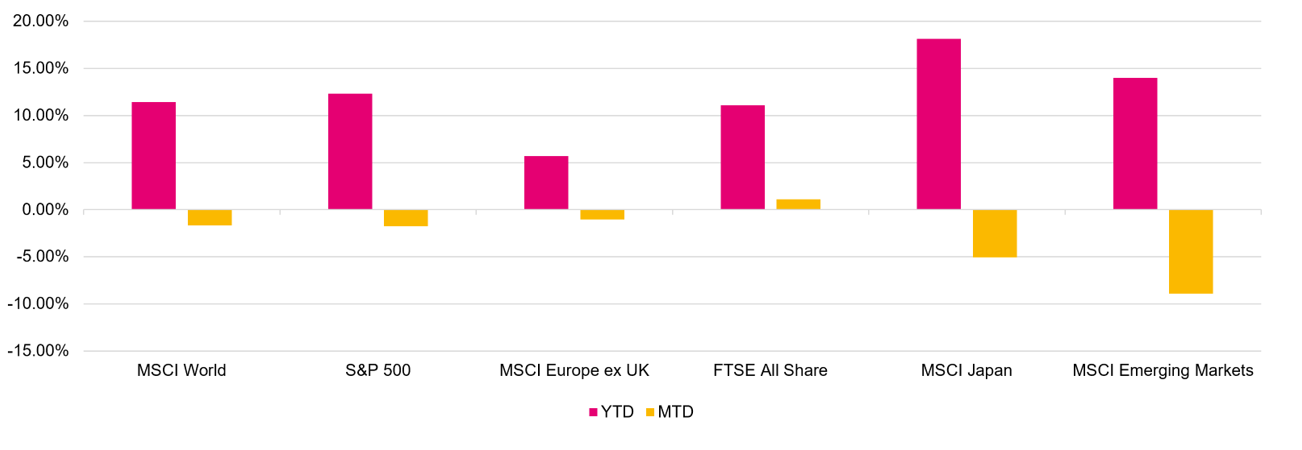
Figure 1: Equity Market Returns (Source: Bloomberg, October 2026)
Past performance is not necessarily a guide to future performance and is not guaranteed. Performance comparisons are included for illustration purposes only, there are no specific benchmarks.
Bonds: back to doing their job
Bonds had a good month and recovered much of September’s fall.
When investors become cautious, they often turn to government bonds, and that is what happened here. The 10-year US Treasury yield (i.e. the interest rate investors demand when lending to US government) reached its highest level since 2007 early in the month, then fell back by the end of October. When interest rates on bonds fall, their prices rise. The Federal Reserve, the US central bank, kept interest rates on hold, although two of its members voted for a rise. Markets now expect an increase in US interest rates in December.
UK gilts returned 1.5%, though they started the month under pressure. The interest rate on 30-year gilts rose above 6% for the first time since 1998, and UK inflation rose to 3.5% in September from 3.1%, with fuel prices the biggest contributor. As a result, the Bank of England, as expected, raised interest rates to 4% on 5th November. Gilts nonetheless joined the global recovery in bonds. The Chancellor’s first Budget held few surprises, and the market’s reaction was calm.
The only exception across major sovereign markets to this lowering of bond yields was France, which has struggled to approve a budget and maintain budget discipline. Demonstrations in major cities during October demonstrated discontent.
Corporate bonds were more mixed. Bonds from higher quality companies rose 0.4%, while higher-risk company bonds dipped 0.1%. Most of the pressure fell on more heavily indebted companies that depend on borrowing to fund AI infrastructure.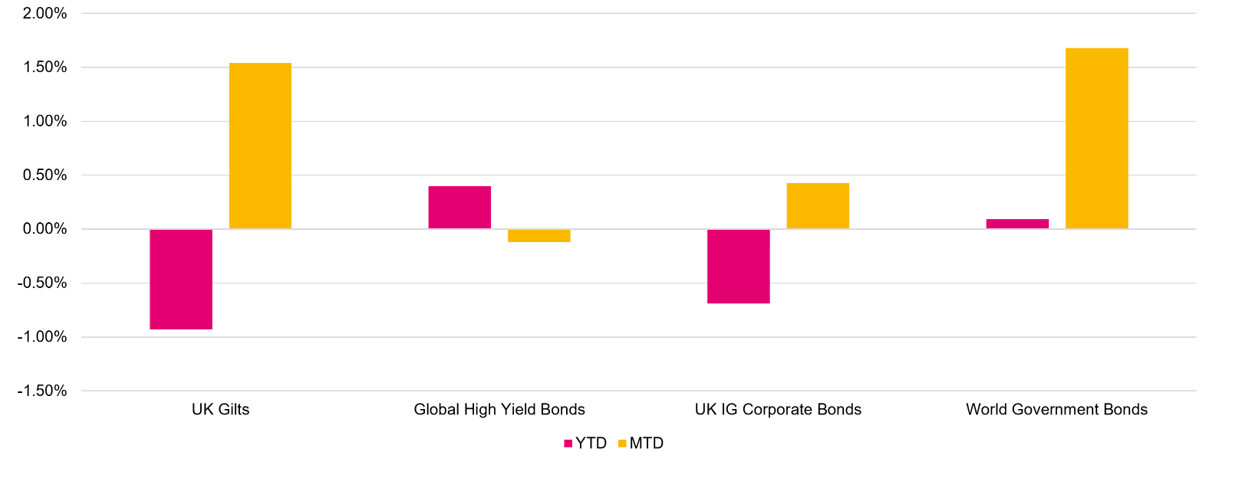
Figure 2: Fixed income returns (Source: Bloomberg, October 2026)
Past performance is not necessarily a guide to future performance and is not guaranteed. Performance comparisons are included for illustration purposes only, there are no specific benchmarks.
Oil and commodities: oil up, gold down
Oil rose 17.6% as the conflict around the Strait of Hormuz continues to seem far from a resolution. This narrow sea route has historically carried about a fifth of the world’s oil supply. There were at least 35 attacks on shipping during the month, more than in any month since the conflict began in February, and Brent crude ended October near $118 a barrel.
Gold fell 7.1%, weighed down by expectations of higher interest rates. Gold pays no income, so it often loses some appeal when interest rates look set to rise. Commodities overall dipped 1.5%, as falls in metals offset the rise in oil.
What this means for our portfolios
October showed diversification working in practice.
When some technology shares fell, other sectors, UK shares and bonds helped balance things out. Bonds rose as AI shares fell, a return to bonds acting as a cushion, which was largely missing in other periods such as 2022 and 2023. We continue to believe that diversified, actively managed portfolios are best placed to handle an environment like this.
If you would like to discuss any of these points or how this affects you and your portfolio, please contact your TPO Adviser or contact us centrally through our website.
The information in this article is correct as at 05/11/2026.
Arrange your free initial consultation
This market update is for general information only, does not constitute individual advice and should not be used to inform financial decisions.
Investment returns are not guaranteed, and you may get back less than originally invested; past performance is not a guide to future returns.
Watch a summary of market activity in October
Download: World Markets At A Glance October 2026