Skip to main content
The Budget 2026: key changes to tax, pensions and ISAs

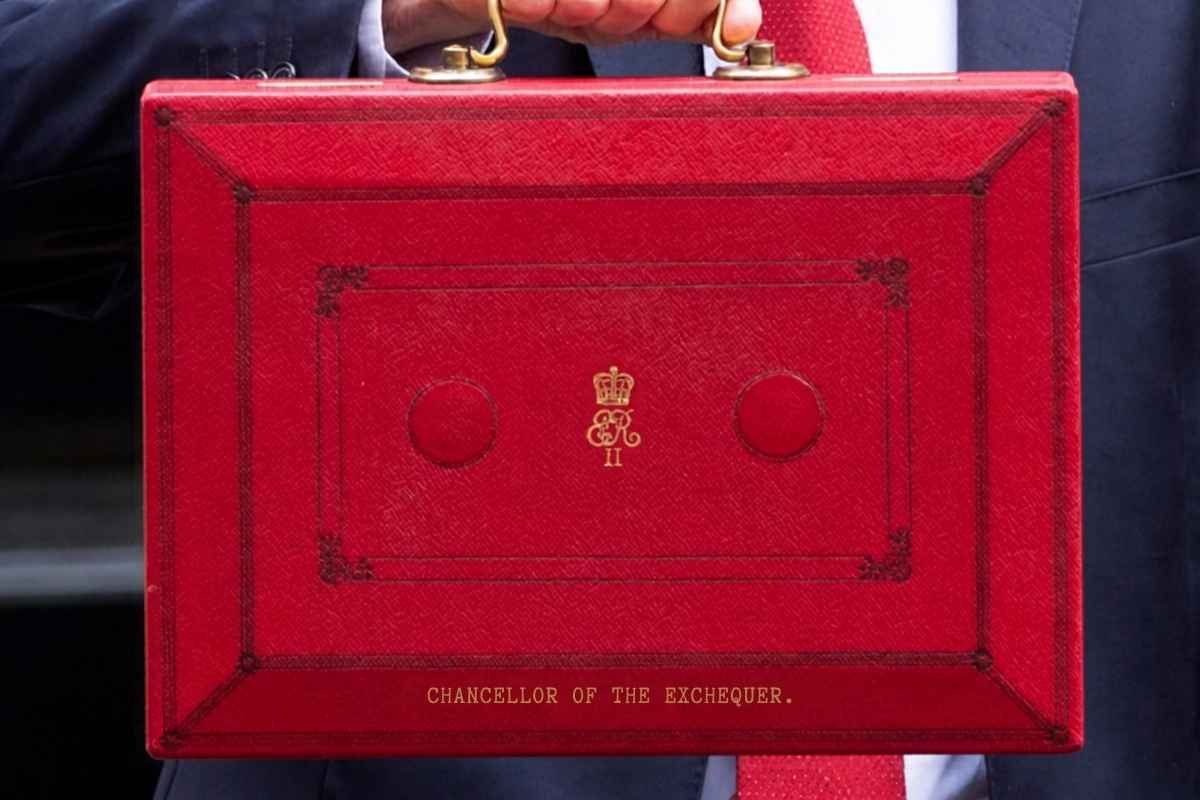
After far fewer leaks than previous years, Chancellor John Healey delivered his first Budget this afternoon.
The key changes were:
Savings and Property Tax
- An additional 2% increase to Savings and Property Tax from April 2027:
- Savings and property income tax were due to increase from 20%, 40% and 45% for basic, higher and additional rate taxpayers to 22%, 42% and 47% with effect from April 2027.
- They will now increase by an additional 2% to 24%, 44% and 49% for basic, higher and additional rate taxpayers with effect from April 2027.
- This will impact landlords and those with cash in the bank outside ISAs whose interest exceeds their Personal Savings Allowance.
- This also impacts Offshore Bond owners as Chargeable Gains are treated as savings income.
Business Asset Disposal Relief
- Which entitles qualifying business owners to a reduced capital gains tax rate of 18%, will have its lifetime limit reduced from £1,000,000 to £500,000 from April 2027. However, Founders’ Relief will entitle those who qualify, to a capital gains tax rate of 10% up to a lifetime limit of £10,000,000
Cash ISA
- The Cash ISA allowance will no longer be limited to £12,000 with effect from April 2027 for under 65s - this will remain at £20,000. Plans to tax cash and cash like investments within stocks and shares ISAs have also been scrapped.
Pension Tax Allowance
- The full State Pension will increase to £13,036 in April 2027 – it has been confirmed that pensioners over the State Pension Age with total income of £13,037 or less will not pay tax on the amount above the personal income tax allowance of £12,570. Pensioners with income between £13,037 and £13,319 (not just from State Pension) will benefit from a tapered Pension Tax Allowance on a 3:1 reducing scale. The allowance will be fully extinguished once income exceeds £13,319.
Lifetime ISA
- Penalty for accessing the Lifetime ISA to buy a house above the limit of £450,000 will be reduced from 25% to 20%. This means investors using the Lifetime ISA for its intended purpose will always at least get out what they put in (given the 25% bonus when funds are put into the ISA). The penalty will remain at 25% for other unauthorised withdrawals. A new ‘Starter ISA’ will also be introduced for first time investors, though details in respect of this were limited.
- Pension administration changes. Measures will be introduced immediately to preserve the entitlement to tax free benefits to nominated beneficiaries of pension funds, if the administration of the estate takes longer than two years from the date the pension scheme administrator is informed that the member has died. In addition, from April 2027, the collection of income tax on excess lump sum payments from pensions will be taken out of the income tax regime and a standalone tax collection process will replace it.
In terms of market reaction, at the time of writing gilt yields remained broadly unchanged and UK bank shares rose as a result of the announcement of a bank tax increase of 3% for 15 months (given this was not as severe as analysts had feared).
In summary, although the impact of the above on many people may be limited, the impact of frozen tax bandings will continue to affect millions of households. Having already been frozen until 2031, there were no further extensions to the freeze, but with UK CPI inflation currently 3.5% in September 2026, more and more taxpayers will move into higher rates of tax, whether that be 20%, 40%, 45% or 60%, even if they only receive inflationary increases to their pay.
The Budget was mixed news for savers, with the proposed reduction in the Cash ISA allowance being scrapped, but the tax on savings will now increase by 4% in April 2027. For business owners, the lifetime limit for Business Asset Disposal Relief being reduced to £500,000 is disappointing, but Founders’ Relief giving those who are entitled to the relief a reduced rate of 10% up to £10,000,000 will be welcomed. Landlords will be disappointed to see the tax they pay on rental income increasing by 4% (rather than 2%) in April, but rumoured increases to the standard rates of capital gains tax did not materialise.
To understand how the changes affect your financial plan, please get in touch for a free initial consultation to see if we can help.
Arrange your free initial consultation
This article is intended for general information only, it does not constitute individual advice and should not be used to inform financial decisions.
The Financial Conduct Authority (FCA) does not regulate estate planning or tax advice.